For more significant damage or antique pieces, professional restoration might be necessary. Experts can bring your furniture back to life, preserving its original charm.
Updating Your Decor
Keeping your decor updated doesn't mean constant overhauls. Small, thoughtful changes can make a big impact.
Seasonal Decor Changes
Rotate your decor with the seasons to keep things fresh. Read about the best Sustainable Design. Simple swaps like changing throw pillows, blankets, and centerpieces can refresh the look without much effort or expense.
Refreshing Paint and Wallpaper
Over time, walls can show signs of wear. Refreshing your paint or wallpaper every few years can instantly rejuvenate a room. Consider opting for neutral colors with accent walls for a timeless appeal.
Replacing Worn-out Items
Items like rugs, curtains, and cushions experience a lot of wear. Replacing these periodically keeps your space looking new. When selecting replacements, choose quality pieces that will last longer.
Ensuring Adequate Lighting
Good lighting enhances the beauty of your interior design and makes your home more functional.
Regularly Clean Light Fixtures
Dust and dirt can dim your lights and reduce their efficiency. Regularly clean your light fixtures to keep them shining bright.
Update Light Bulbs and Shades
Switch to energy-efficient bulbs that provide the right amount of light for different areas. Updating lamp shades can also change the ambiance of a room.
Keeping Upholstery Fresh
Upholstered furniture can gather dust, dirt, and stains over time. Keeping them fresh is crucial for both appearance and hygiene.
Regular Vacuuming
Vacuum your upholstered furniture regularly to remove dust and crumbs. Use attachments to get into crevices and seams.
Professional Cleaning Services
Consider professional cleaning services for a deep clean that removes embedded dirt and refreshes the fabric. This can be done annually or as needed.
Maintaining Flooring
Floors take the brunt of daily activity, so regular maintenance is essential to keep them looking their best.
Hardwood Floor Care
Sweep or vacuum regularly to remove dirt and prevent scratches. Use wood-specific cleaners to maintain shine and protect the finish.
Carpet and Rug Maintenance
Vacuum carpets and rugs frequently to avoid dirt buildup. Consider professional cleaning once or twice a year to keep them looking fresh and extending their life.
Tile and Grout Cleaning
Tiles are durable, but grout can stain and discolor. Clean tiles and grout with appropriate cleaners to maintain their appearance. Sealing grout can also help prevent stains.
Staying Ahead of Trends
Keeping your home stylish means staying ahead of trends, but it's important to balance trends with timelessness.
Subtle Updates
Incorporate trends in small, easy-to-change elements like accessories, cushions, or artwork. This way, you can update your look without a major overhaul.
Incorporating Timeless Pieces
Invest in timeless pieces that can serve as the foundation of your design. These items will withstand changing trends and maintain their appeal over time.
Conclusion
Maintaining your home's interior design is a continuous process, but it doesn't have to be overwhelming. With regular cleaning, minor repairs, and thoughtful updates, you can keep your space looking fresh and stylish. Remember, it's all about balance – blending routine maintenance with occasional updates to ensure your home remains a beautiful, comfortable haven for years to come.
The Best Resources for Learning About Interior Design
Introduction
Ever found yourself gazing at a beautifully designed room and wishing you could recreate that magic in your own home? Interior design can seem like an elusive art, but the good news is there are plenty of resources out there to help you get started. Whether you're a complete newbie or looking to hone your skills, there's something for everyone. Let's dive into the best resources for learning about interior design!
Online Courses
The internet is a treasure trove of educational opportunities, and interior design is no exception.
Free Courses
Who doesn't love free stuff? Space Planner Websites like Coursera and edX offer free courses on interior design. These courses cover the basics and are perfect for anyone just dipping their toes into the design world.
Paid Courses
If you're serious about learning, paid courses are worth the investment. Platforms like Udemy and LinkedIn Learning have comprehensive courses taught by industry professionals. These courses often come with certificates, adding an extra boost to your resume.
Books
Books are a timeless resource for learning about interior design. They provide in-depth knowledge and can be a great reference.
Beginner-Friendly Books
Starting out can be daunting, but there are plenty of books tailored for beginners. "The Interior Design Handbook" by Frida Ramstedt is an excellent choice, offering practical tips and beautiful illustrations.
Advanced Books
For those looking to deepen their knowledge, advanced books like "Domino: The Book of Decorating" by Deborah Needleman provide detailed insights and sophisticated design strategies.
Magazines
Magazines are a fantastic way to stay updated on the latest trends and get inspiration for your projects.
Print Magazines
Print magazines like "Architectural Digest" and "Elle Decor" have been go-to resources for years. They offer a mix of high-end design and practical advice.
Digital Magazines
Digital versions of these magazines are also available and often come with additional interactive content. Websites like Issuu offer a wide range of digital design magazines for free.
Blogs and Websites
The blogosphere is brimming with design inspiration and practical advice.
Top Interior Design Blogs
Blogs like "Apartment Therapy" and "Design*Sponge" are popular for a reason. They provide a mix of DIY projects, home tours, and expert advice.
Informative Websites
Websites like Houzz and HGTV are packed with articles, photos, and ideas to help you design your dream space. They also offer forums where you can connect with other design enthusiasts.
Social Media
Social media platforms are fantastic for getting daily doses of inspiration and learning from the pros.
Instagram Influencers
Instagram is a visual platform, making it perfect for interior design. Follow influencers like @studiomcgee and @em_henderson for beautiful photos and tips.
YouTube Channels
YouTube is home to countless design channels. Studio McGee and House & Home offer tutorials, room makeovers, and expert advice.
Pinterest Boards
Pinterest is a goldmine for interior design inspiration. Create boards for different rooms and pin your favorite ideas to create a personalized lookbook.
TV Shows and Documentaries
Sometimes, the best way to learn is by watching the experts in action.
Popular TV Shows
Shows like "Fixer Upper" and "Queer Eye" not only entertain but also provide valuable design insights and inspiration.
Must-Watch Documentaries
Documentaries like "Abstract: The Art of Design" on Netflix delve into the minds of designers and their creative processes.
Podcasts
Podcasts are perfect for learning on the go. Shows like "The Chaise Lounge" and "Design Matters" feature interviews with top designers and explore the world of interior design in-depth.
Interior Design Apps
Apps can be incredibly helpful for planning and visualizing your design projects. Apps like Houzz and Planner 5D allow you to create detailed floor plans and experiment with different styles and layouts.
Workshops and Events
Attending workshops and events can provide hands-on experience and networking opportunities. Look for local design workshops, trade shows, and industry conferences to immerse yourself in the design community.
Conclusion
Interior design is a fascinating field with endless opportunities for learning and creativity. With these resources at your fingertips, you're well on your way to becoming a design pro. So, grab a book, enroll in a course, or start following your favorite design influencers – your dream home is just around the corner!
How to Choose the Right Interior Designer for Your New York City Home
Introduction
Choosing the right interior designer for your New York City home can feel like finding a needle in a haystack. Interior Design Firm With so many talented professionals in the city, where do you even start? This guide will walk you through the steps to find the perfect match for your unique needs and style.
Why Hire an Interior Designer?
Hiring an interior designer isn't just for the rich and famous. A good designer can save you time, money, and headaches by helping you avoid costly mistakes and ensuring your vision comes to life. Plus, they bring a trained eye to create a cohesive, stylish, and functional space.
Understanding Your Needs and Style
Before you even start looking for a designer, take some time to understand what you want.
Assessing Your Personal Style
Are you into modern minimalism, or do you prefer a cozy, traditional look? Browse magazines, Pinterest, and design websites to gather inspiration. This will help you communicate your style to potential designers.
Defining the Scope of Your Project
Are you redesigning a single room or your entire home? Do you need structural changes or just a cosmetic update? Knowing the scope will help you find a designer with the right expertise.
Researching Potential Designers
Now that you know what you need, it's time to find some candidates.
Online Resources
Websites like Houzz, Yelp, and the American Society of Interior Designers (ASID) can help you find local designers and read reviews.
Word-of-Mouth Recommendations
Ask friends, family, and colleagues if they can recommend anyone. Personal referrals can give you valuable insights into a designer's work and personality.
Visiting Showrooms and Galleries
Check out local showrooms and galleries to see designers' work firsthand. This can give you a sense of their style and quality.
Reviewing Portfolios
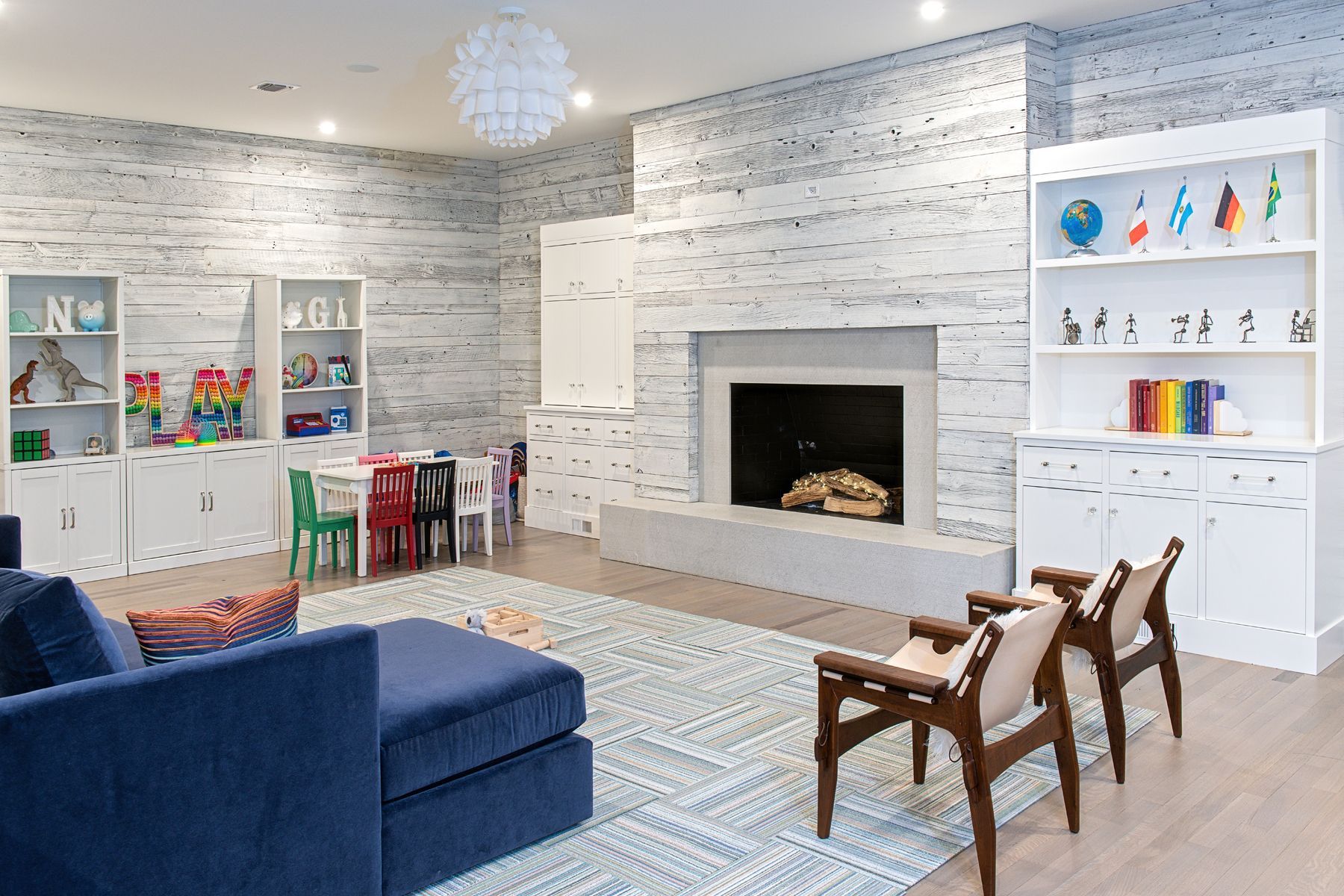
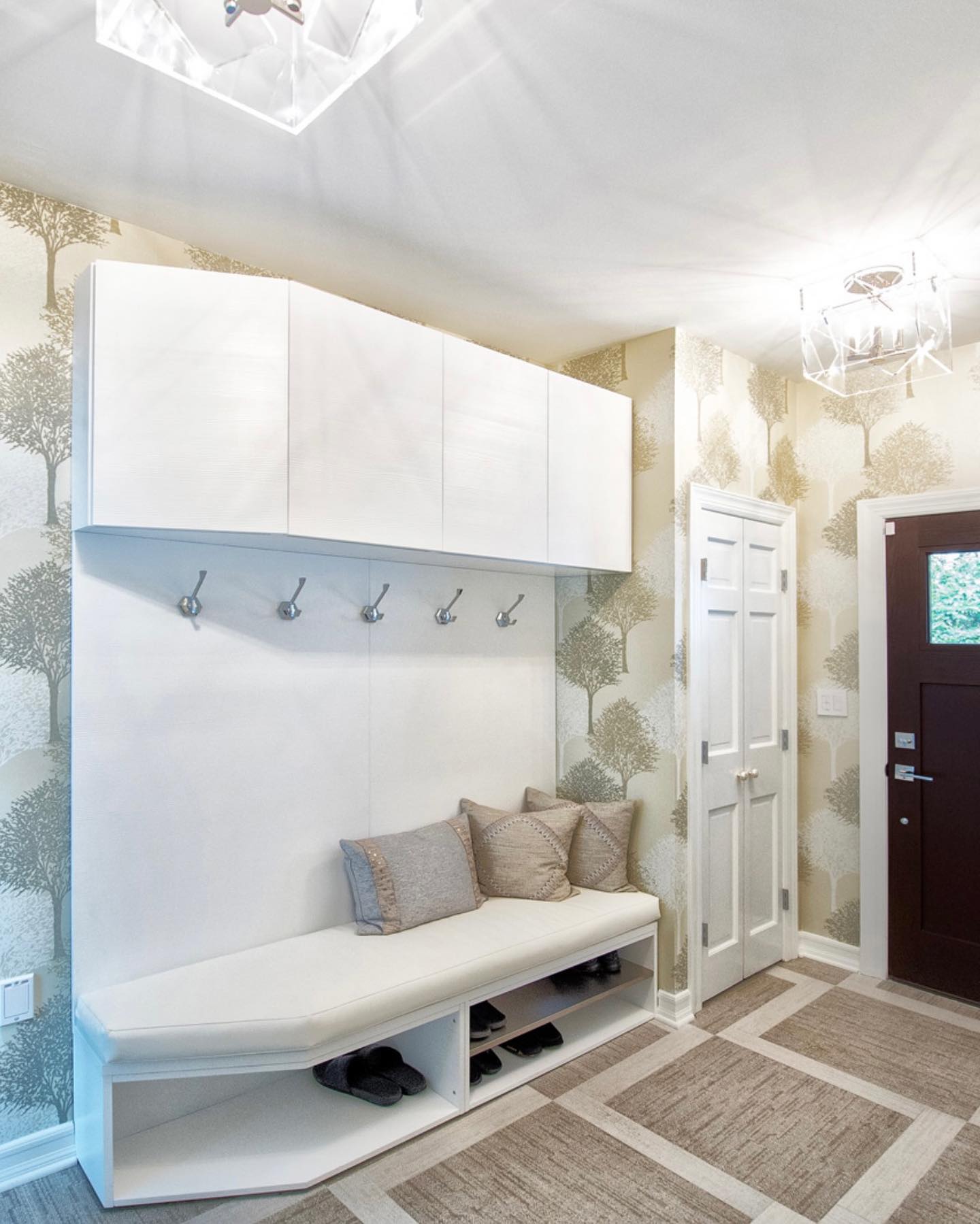
Once you have a list of potential designers, review their portfolios carefully.
Key Elements to Look For
Look for a diverse range of projects, attention to detail, and creativity. Make sure their work aligns with your style preferences.
Matching the Designer's Style with Yours
A designer's portfolio should resonate with your vision. If their past projects excite you, they might be a good fit.
Conducting Interviews
Narrow down your list to a few designers and set up interviews.
Preparing Questions
Ask about their experience, design process, timeline, and how they handle challenges. Also, inquire about their availability and how they charge for their services.
Assessing Communication Skills
Good communication is key to a successful project. Make sure the designer listens to your ideas and can articulate theirs clearly.
Checking References
Don't skip this step! It's crucial to get feedback from past clients.
Contacting Previous Clients
Ask for a list of references and contact them. Inquire about their experience, the quality of work, and any issues that arose during the project.
Evaluating Feedback
Pay attention to recurring themes in the feedback. Were clients happy with the final result? Did the designer stay within budget and timeline?
Discussing Budget and Costs
Be upfront about your budget and understand what you're getting into financially.
Setting a Realistic Budget
Determine what you're willing to spend and communicate this to your designer. They should be able to work within your budget or let you know if your expectations need adjustment.
Understanding Pricing Models
Some designers charge a flat fee, while others bill hourly or take a percentage of the project cost. Make sure you understand how they charge and what's included.
Understanding the Design Process
A clear understanding of the design process will help you know what to expect.
Initial Consultation
This is where you discuss your ideas, budget, and timeline. The designer will also share their initial thoughts and approach.
Design Development
The designer will create detailed plans and present options for materials, colors, and furniture. You'll review these together and make decisions.
Implementation and Follow-Up
The designer will oversee the implementation, ensuring everything goes smoothly. After completion, they may follow up to address any issues.
Legal and Contractual Considerations
Before signing on the dotted line, make sure you're clear on all legal aspects.
Reviewing Contracts
Read the contract carefully. It should outline the scope of work, payment schedule, timeline, and any other important details.
Understanding Terms and Conditions
Clarify anything that's unclear and make sure you're comfortable with the terms. Don't hesitate to ask for modifications if needed.
Trusting Your Instincts
Finally, trust your gut. If you feel comfortable and confident with a designer, that's a good sign.
Conclusion
Choosing the right interior designer for your New York City home is a significant decision, but by following these steps, you can find someone who will bring your vision to life. Remember to take your time, do your research, and trust your instincts. With the right designer, your home can become a true reflection of your style and personality.
The Top Interior Design Trends in New York City for 2024

As soon as possible! Lara can come in at any point, but we’ll be the most helpful during the architectural phase for new construction or large additions/renovations. Knowing where the furniture, lighting, etc. will be going BEFORE construction starts can often prevent costly re-dos.
Whatever works best for you! If you have a contractor you love, we are happy to work with them. If you need awesome recommendations or want to compare estimates, Lara will gladly refer her amazing team!
Starting with a comprehensive walk through of your home and/or review of your plans, we gather your ideas and desires for your home. Next, designs are created with in-house drawings, renderings, and design boards. After your approvals, we facilitate costs, create a schedule, and begin ordering. Upon work commencing, we manage contractors, oversee progress, inspect and place deliveries. Finally, styling will finish your home and now it’s time to host your housewarming party!
Great! Please fill out our form on our Contact Page, the more details you share, the better! Or call our office at 914-939-5777, we look forward to hearing from you!
Anything for the interior of your home! Lara shops for, or has custom made in one of her artisan workrooms, any of the following: flooring, countertops, tile, hardware, paint, wallpaper, plumbing fixtures, lighting fixtures, bathroom fixtures, kitchen fixtures & appliances, furniture, outdoor furniture, fabrics, rugs, window treatments, pillows, bedding, artwork, mirrors, & accessories. Lara has established relationships with many trade-only manufacturers, giving her access to the most exceptional and unique items not available to the public.
Our project budget minimum is $150K (construction and décor costs). Each year we take a couple of projects that fall under this depending on location and other variables. Please fill out the form on our Contact Page with your design details to see if we’d be a good fit, we’d love to hear from you!
Yes! Lara loves to travel and meet clients wherever they reside. The same expert design processes apply for out-of-state projects to ensure a smooth and seamless experience. Although most of our clients reside in Westchester, NY and Greenwich CT, Lara has completed projects in many other locations.
Yes! Our kitchens and most bathroom designs include Lara’s custom cabinetry. Built-ins such as bookcases, TV units, mudroom benches & cubbies, fireplace mantels, wall paneling, detailed moldings…you name it, we can do it beautifully and typically faster than any cabinetry company.
Our full-service interior design firm will take your home design project from start to finish. From creating tailored-made, innovative designs, to implementing them, to overseeing construction, then ordering, installing, and finally to styling, we do it all. We are with you every step of the way to ensure no detail is overlooked and all goes according to plan. Under Lara & her team’s watchful eye, you can relax and enjoy the process.
Absolutely! Lara purposefully limits the number of projects she takes on at a time so she can personally create and oversee each one. Forging long lasting relationships with clients is something she is proud of and why past client’s consistently call her back.